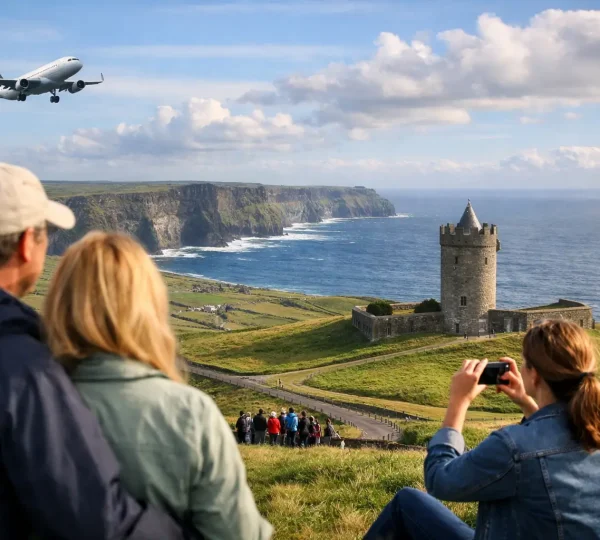

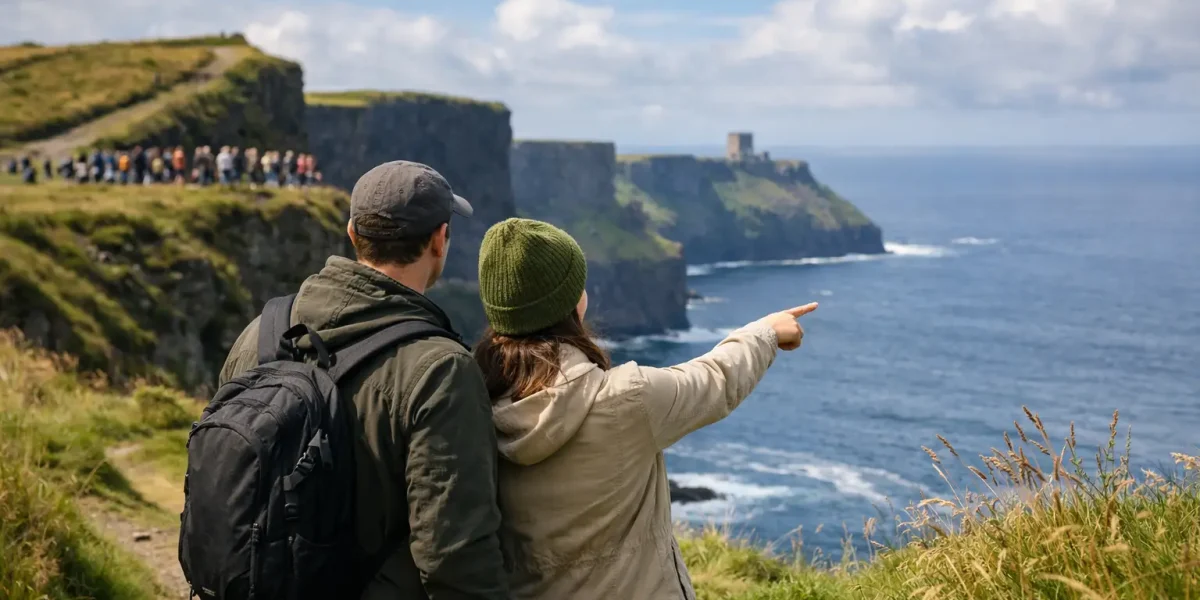
By 10 a.m. in July, the parking lots at the Cliffs of Moher are already busy, the coach groups are moving with purpose, and that peaceful Atlantic moment people picture can feel a bit rushed. The good news is that learning how to avoid Ireland crowds does not mean skipping the country’s great sights. It means seeing them with better timing, better pacing, and a little local know-how.
Ireland is not crowded in the same way as major European capitals, but its most famous places can bottleneck quickly. A handful of star attractions, narrow roads, limited parking, and peak-season touring patterns all play a part. If you want the Ireland of quiet gardens, relaxed pub lunches, open coastal viewpoints, and time to actually take it in, the trick is not simply where you go. It is when you go, how you move, and what you pair together.
How to Avoid Ireland Crowds Without Missing the Highlights
The first thing to know is that you do not need to choose between famous and peaceful. You can absolutely see Dublin, the Ring of Kerry, the Giant’s Causeway, or Blarney Castle and still have a trip that feels calm. What matters is resisting the most obvious schedule.
Many visitors follow the same pattern. They land, spend a few days in Dublin, move south or west in a rental car, and hit the best-known landmarks between late morning and mid-afternoon. That is exactly when roads are busiest, visitor centers are full, and the sense of place can get lost behind logistics.
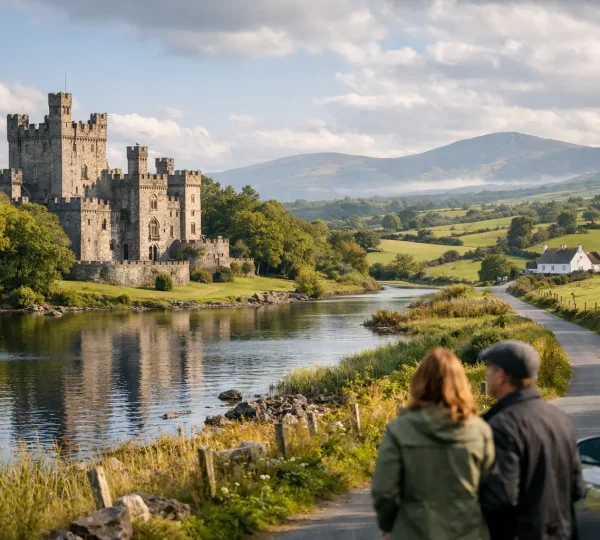
A smarter approach starts earlier, lingers later, and gives each region room to breathe. Ireland rewards travelers who are willing to have breakfast a bit sooner, take the scenic route instead of the fastest one, and trade one or two headline stops for places that feel more personal. You are not seeing less. Quite often, you are seeing Ireland better.
Timing Matters More Than Most People Think
If your travel dates are flexible, shoulder season is your friend. May, early June, September, and early October are often the sweet spots. The days are still generous, the countryside is beautiful, and the visitor numbers are usually more manageable than in peak summer.
July and August bring energy, long evenings, and plenty happening across the island, but they also bring family vacations, cruise traffic, and higher demand almost everywhere. That does not make summer a bad time to visit. It simply means your itinerary needs to be built more carefully.
Even within the same week, your day-to-day timing changes everything. A site that feels hectic at noon can feel almost private at 8:30 a.m. or after 5 p.m. The Rock of Cashel, Kilkenny, the Cliffs of Moher, and the Giant’s Causeway all tend to have a pronounced middle-of-the-day swell. If you arrive before the buses or after they have moved on, the experience shifts completely.
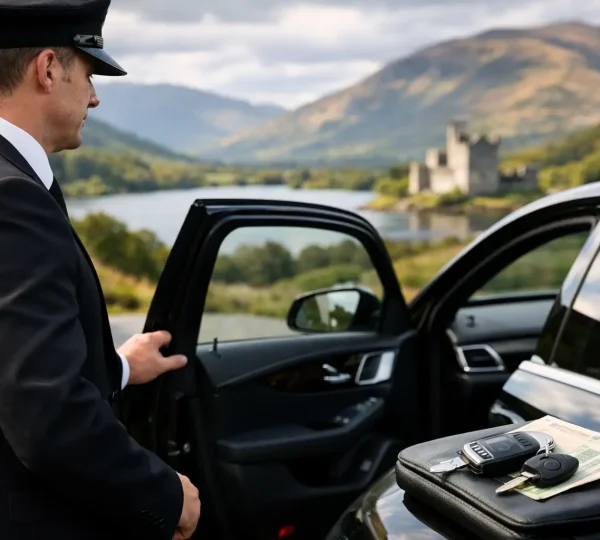
This is one of the biggest advantages of a private touring style. You are not tied to a standard departure time or a rigid coach schedule. If the weather is clear first thing, you go. If a village is livelier in the evening, you stay. Ireland is best enjoyed with that kind of flexibility.
The busiest times to watch for
Late morning to mid-afternoon is the main pinch point at major attractions. Weekends also bring local visitors, especially in summer and on public holidays. And if a cruise ship is in port, nearby highlights can get noticeably busier. A good itinerary takes all of that into account quietly in the background, so your day still feels easy.
Choose Regions With Breathing Room
If your only plan is to connect famous names, you will meet plenty of other travelers doing the same. But Ireland has wonderful depth beyond the standard loop.
The southwest is famous for good reason, though parts of Kerry can become heavily trafficked in high season. Balance it with West Cork, where harbors, gardens, and smaller coastal towns often feel more relaxed. In the west, Connemara gives you dramatic scenery with a wilder, more spacious feel than some of the better-known stop-and-snap routes. In the north, Donegal remains one of the best answers for travelers who want beauty without constant bustle.
That does not mean avoiding the classics altogether. It means pairing them wisely. See Killarney National Park early, then spend the afternoon somewhere quieter. Visit Galway, but sleep outside the city if you want a softer pace. Enjoy the Causeway Coast, then let inland stops and smaller villages round out the day.
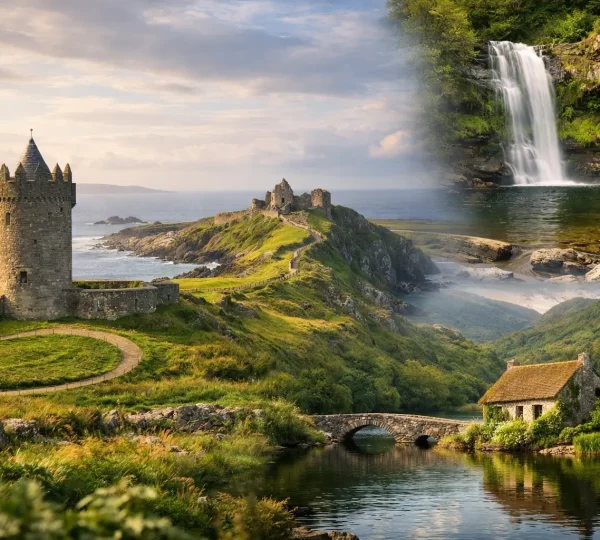
Ireland shines when an itinerary mixes marquee moments with places you would never have found on your own.
Stay Fewer Nights in Big Hubs
Dublin is worth seeing, especially for first-time visitors, but it is not where most people find their favorite quiet Irish moments. The same goes for some of the busiest overnight bases in peak season. If every traveler stays in the same handful of towns and follows the same day-trip pattern, congestion naturally builds.
A better plan is often to use smaller bases that still place you near the sights. Think elegant country house stays, coastal towns, or well-positioned villages where evenings feel relaxed and mornings begin without traffic queues. You still reach the landmarks, but you avoid starting and ending every day in the thick of the rush.
There is a trade-off, of course. A smaller town may have fewer restaurants or less nightlife than a major hub. For many travelers, especially couples, families, and heritage visitors who value comfort and pace, that is a very easy trade to make.
Build Your Day Around Flow, Not Distance
One of the most common planning mistakes is trying to cover too much ground because Ireland looks small on a map. Roads can be narrow, weather can shift, and a scenic drive can take longer than expected in the best possible way.
If your days are overpacked, you end up arriving at each major stop during peak hours simply because there is no flexibility. If your days are paced properly, you can move around the crowds rather than into them.
That may mean doing one major attraction in a day instead of three. It may mean taking a lesser-known abbey, garden, whiskey stop, or coastal walk in between. And it may mean leaving room for the unexpected – a traditional music session, a conversation in a village shop, or a viewpoint that was not on your original list but becomes the memory you talk about most.
This is where local planning really earns its keep. A well-designed route is not only about efficiency. It is about rhythm.
How to Avoid Ireland Crowds at Famous Sites
If there are places you absolutely do not want to miss, the answer is usually not to cut them. It is to approach them differently.
At the Cliffs of Moher, go early or late and avoid treating it as a quick checkbox stop in the middle of a packed day. On the Ring of Kerry, direction and timing matter more than people realize, especially in summer when tour traffic follows predictable patterns. At Blarney Castle, arriving near opening time gives you a much gentler experience than showing up after lunch.
Dublin benefits from the same logic. Trinity College, the Book of Kells area, and popular historic sites are far more pleasant early in the day. The city also rewards side streets, smaller museums, and neighborhood dining once you step beyond the busiest visitor trail.
None of this is complicated, but it does require intention. The difference between crowded and comfortable in Ireland is often just 90 minutes.
Let Someone Else Handle the Puzzle
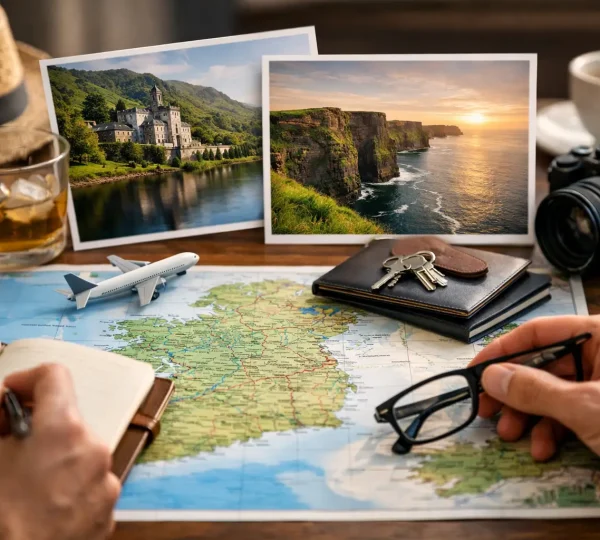
For many US travelers, especially on a once-in-a-lifetime or long-awaited return trip, the real question is not just how to avoid Ireland crowds. It is how to do it without spending months on maps, reservations, driving routes, and backup plans.
That is where private touring comes into its own. When your route, timing, hotel locations, and daily adjustments are handled by someone who knows the island well, Ireland opens up in a different way. You are not worrying about parking at a busy site, second-guessing the road ahead, or trying to decode whether a famous stop is worth it at that hour. You are simply in the country, enjoying it.
A company like Creagh Travel builds around that idea – not just seeing Ireland, but seeing it comfortably and well. For travelers who want iconic scenery, local stories, and a smoother pace, that kind of experience can make all the difference.
The best Irish trip is rarely the one with the longest checklist. It is the one where you have time to look around, hear the stories, and feel that the country is meeting you properly rather than rushing past your window.