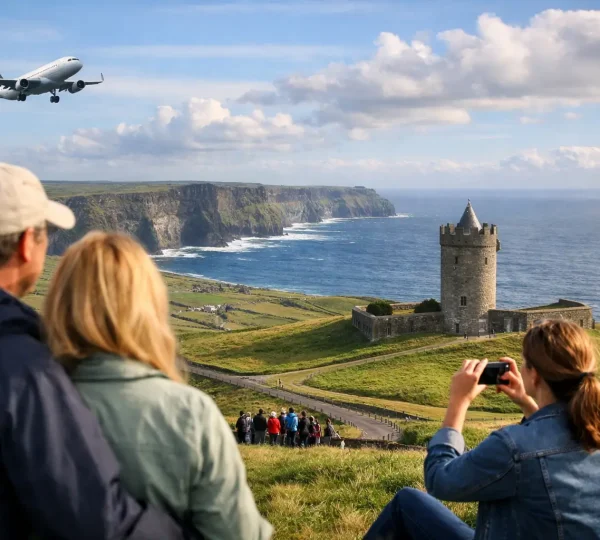

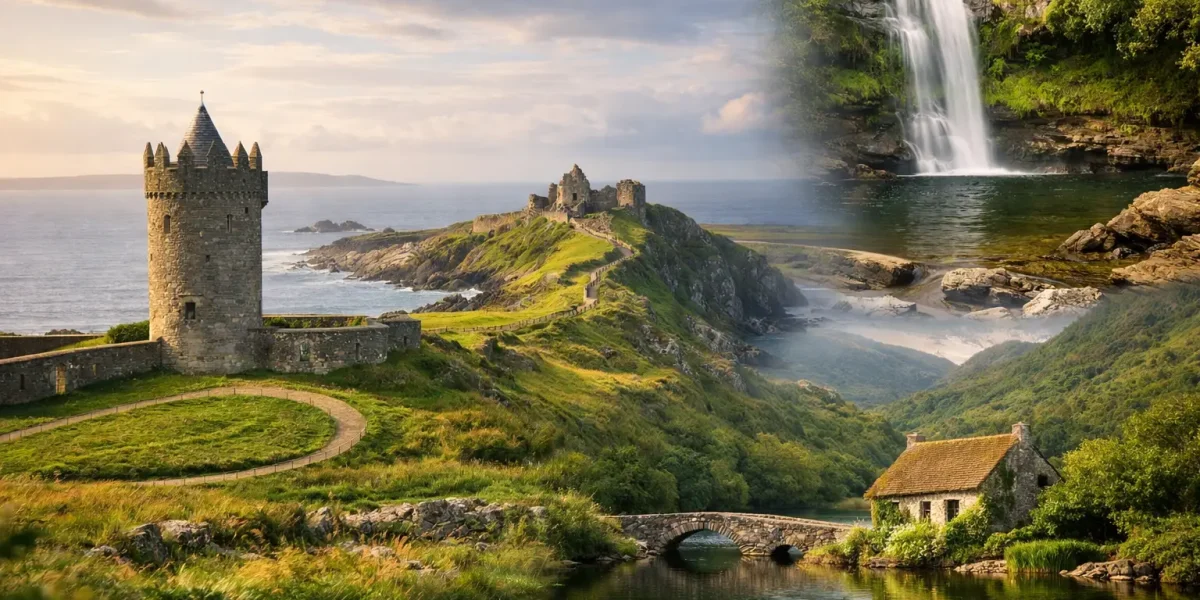
You can stand with the crowds at the Cliffs of Moher, snap the photo, and head back to the coach. Or you can turn down a smaller road, stop at a stone fort with nobody else around, eat lunch in a village that still feels local, and come away feeling like your hidden gems in Ireland tour showed you the country rather than just the postcard. That difference matters, especially if you have crossed an ocean to be here.
For many American visitors, the real luxury in Ireland is not simply a fine hotel or a private driver, though both help. It is having the day shaped around places with character, quieter timing, and the kind of local judgment that tells you when a famous stop is worth it and when a lesser-known one will leave the stronger memory. A good tour of Ireland should do both.
What makes a hidden gems in Ireland tour worth it
A hidden-gems itinerary is not about avoiding every well-known sight out of principle. That can be just as limiting as following the standard tourist circuit. The better approach is balance. You might visit the Ring of Kerry, but not rush through it. You might see the Giant’s Causeway, then continue on to a harbor village or dramatic headland many visitors miss.
The phrase hidden gem gets overused, so it helps to be clear. In Ireland, it usually means one of three things. It can be a place that is genuinely lesser known, such as a remote peninsula, a tucked-away garden, or a local heritage site. It can be a familiar region seen in a less predictable way, perhaps by taking the coastal back roads instead of the main route. Or it can be a moment rather than a landmark – a traditional music session, a small whiskey tasting, a conversation in a family-run pub, or a stop at a viewpoint you would never find on your own.
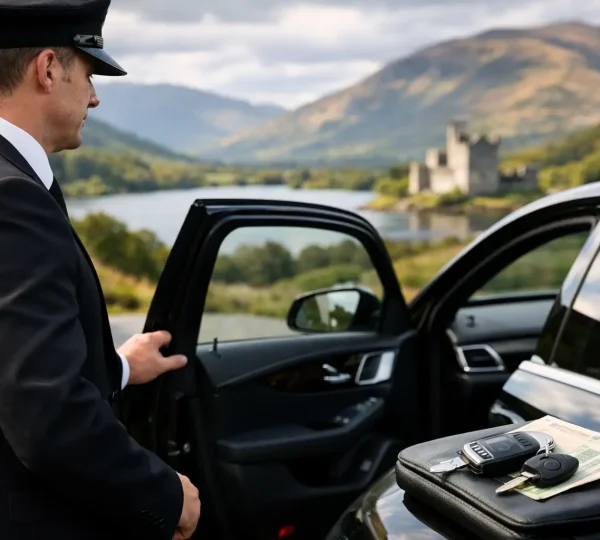
That is where private touring has an edge. A coach tour is built around timings that suit the group. Self-drive travel offers freedom, but it also brings wrong turns, parking headaches, and long stretches of concentration on unfamiliar roads. A private hidden gems in Ireland tour lets you keep the freedom and lose the friction.
The parts of Ireland where hidden gems shine
Some regions lend themselves especially well to a quieter, more personal itinerary. The southwest is an obvious example, but not for the reasons most people think. Kerry and Cork have famous names, yet just a short distance from the headline sights you find peaceful coastal villages, island views, old estates, craft workshops, and roads where the scenery opens up without a bus in sight.
Donegal is another standout. It feels wilder, less polished in the best possible way, and wonderfully spacious. Visitors who have already seen Dublin and the south often fall hard for Donegal because it delivers the Ireland of big skies, mountain passes, Atlantic surf, and strong local identity. It is not the easiest region to piece together alone, which makes expert route planning especially valuable.
The north also rewards travelers who want more than a checklist. Yes, the Antrim Coast draws attention, and rightly so. But combine it with quieter glens, castle ruins, market towns, and good local food, and the day starts to feel richer. The same goes for the west. Connemara, Mayo, and parts of Clare can be deeply moving when you leave enough room in the schedule to notice them.
Hidden stops that often mean more than the famous ones
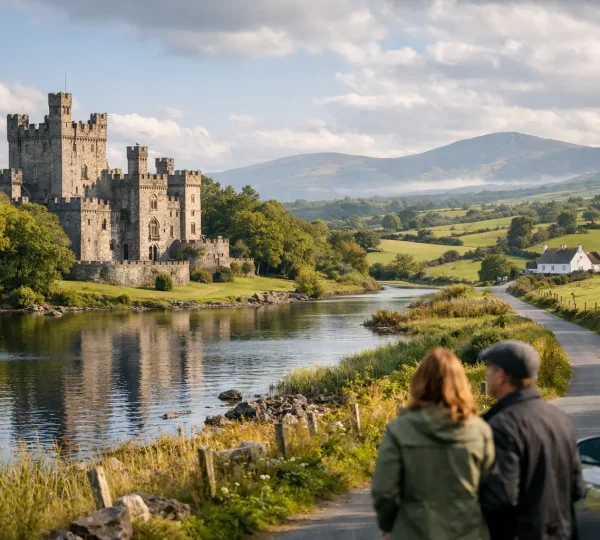
The most memorable places are not always the biggest names. A ringfort tucked into a field can say more about Ireland’s long history than a crowded museum. A ruined abbey with weathered stone and no ticket line can stay with you longer than a polished visitor center. Small fishing villages, family-run smokehouses, gardens attached to old houses, and coastal walks with no formal fanfare often become the stories people tell when they get home.
Food matters here too. A well-planned day should not treat meals as a gap between attractions. In Ireland, lunch in the right place can be part of the experience. Fresh seafood by the water, brown bread still warm, chowder done properly, or a quiet dining room in the countryside can shift the whole rhythm of a trip. That is one reason customized touring works so well. The route can flex around where the day will feel best, not just what is nearest.
There is also the matter of pacing. Hidden gems are easily spoiled by overpacking the day. Travelers often arrive with a long wish list, which is understandable. But Ireland rewards selectiveness. It is better to see fewer places well than spend the day getting on and off in a blur.
Why private touring changes the experience
A private tour is not just a nicer vehicle and a more comfortable seat, though those things matter over several days. The real value is in decision-making. Local knowledge shapes the route, the stop order, the timing, and even whether a place is suitable on a wet or windy day.
That flexibility is especially useful in Ireland, where weather, local events, and traffic can change the tone of a day quickly. A good guide does more than drive and recite dates. They read the group. If you are interested in family history, the day can lean into heritage. If you love gardens, castles, golf, or food, the route can reflect that. If one scenic stop leaves you wanting more time, the schedule can breathe.
For first-time visitors, this often brings relief. You do not need to learn the road signs, judge distances, or wonder if the scenic route is genuinely scenic or simply longer. For repeat visitors, it opens doors. Once the headline sights are already ticked off, Ireland becomes more interesting, not less. That is when a quieter monastery, a remote beach, or a village festival can feel like the real prize.
How to plan a hidden gems in Ireland tour without missing the icons
The smartest itineraries do not force a choice between famous and lesser known. They combine them well. That might mean pairing a marquee attraction with two nearby places that most travelers skip. It might mean staying longer in one region instead of racing around the country. Or it might mean building the trip around your interests rather than around a map.
If you have seven to ten days, depth usually beats coverage. Trying to fit Dublin, Galway, Kerry, Cork, Belfast, and Donegal into one short trip can leave you with a blur of highways and hotel check-ins. A better route might focus on the southwest and west, or split time between Dublin, the north, and Donegal. With more time, you can widen the circle without losing quality.
This is also where the right host makes a difference. A company such as Creagh Travel can shape a journey that keeps the major sights in place while giving equal attention to the places between them. That is often where Ireland wins people over – not only at the landmarks, but on the roads, in the small towns, and through the stories shared along the way.
A few trade-offs worth knowing
Remote places can take longer to reach, and some of the most charming roads are narrow and slow. That is part of their appeal, but it does affect how much you can sensibly fit into a day. Smaller villages may also have fewer dining options outside peak season. None of this is a problem when the trip is planned properly, but it is worth understanding.
Weather plays a role too. A misty morning can make a landscape feel magical, or it can hide the very view you came to see. The advantage of a tailored itinerary is not that it controls the weather. It is that it gives you options when conditions change.
The trip you remember is usually the one that felt personal
Most travelers come to Ireland hoping for scenery, history, and a warm welcome. They leave talking about the moments that felt unplanned, even when they were carefully arranged behind the scenes. The quiet beach. The story told in the car between stops. The pub lunch that turned into the best meal of the week. The ruined castle nobody in their group had heard of before arriving.
That is the appeal of a hidden gems in Ireland tour. It gives the country room to surprise you, while still making sure you see what you came for. If you want Ireland to feel less like a route and more like a relationship, that is the way to travel it.