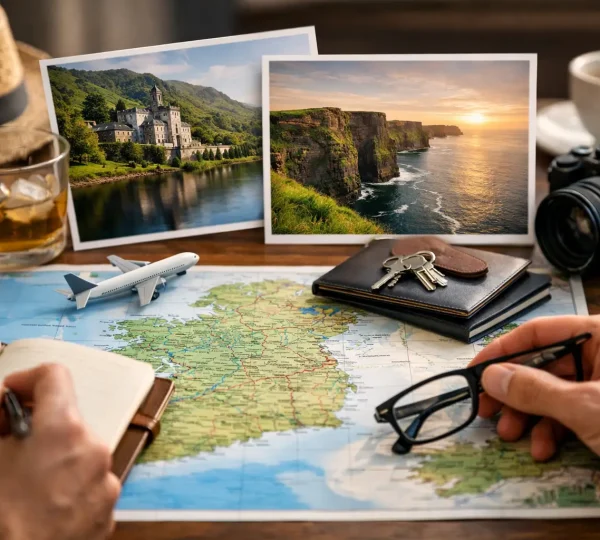

Fourteen days in Ireland sounds generous until you start circling places on a map. Dublin, Galway, Kerry, Cork, the Cliffs of Moher, the Ring of Kerry, Belfast, Donegal, maybe a golf course or two, and suddenly the trip feels tighter than expected. That is exactly why a well-designed 14 day Ireland tour package matters. The difference is not simply where you go. It is how the days flow, how much driving is hidden from you, and whether the experience feels like a vacation or a logistics exercise.
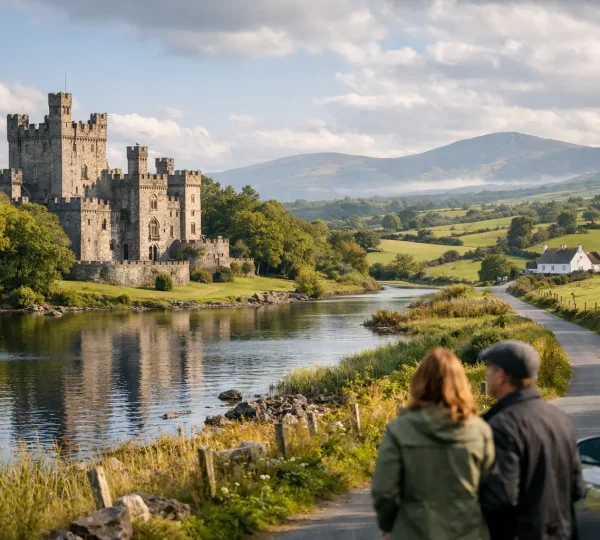
For many American travelers, two weeks is the sweet spot. It gives you enough time to see the big names without racing through the country like you are checking boxes. It also leaves room for the parts people remember most – a long lunch in a village you had never heard of, a guide with a great story at just the right moment, a scenic detour because the weather has turned in your favor.
What a 14 day Ireland tour package should actually include
A good two-week itinerary should cover Ireland broadly, but not greedily. You can see a great deal in 14 days, yet there is a fine line between comprehensive and exhausting. If every day starts early, ends late, and involves repacking, the trip will wear you down no matter how beautiful the scenery is.
In practical terms, the best 14 day Ireland tour package usually balances major stops with sensible overnight stays. Dublin often opens the trip well, especially for first-time visitors who want history, elegant Georgian streets, and an easy first landing. From there, many journeys work west toward Galway, south through Clare and Kerry, then east through Cork or Kilkenny, or north toward Belfast and the Causeway Coast. Another strong option is a full loop that includes Donegal, which rewards travelers who want a wilder, less polished side of Ireland.
What matters most is pacing. Two nights in key areas can make a world of difference. They give you time to settle in, enjoy dinner without watching the clock, and explore beyond the windshield. They also allow flexibility, and in Ireland, flexibility is worth a lot. Weather shifts. Traffic builds around popular sites. A place you expected to spend 20 minutes in may deserve two hours.
The right pace for a 14-day trip
There is a temptation to fit the entire island into one grand sweep. Sometimes that works. Sometimes it becomes too much time on the road, especially if travelers want heritage visits, golf rounds, castle stays, or slower cultural experiences folded into the trip.
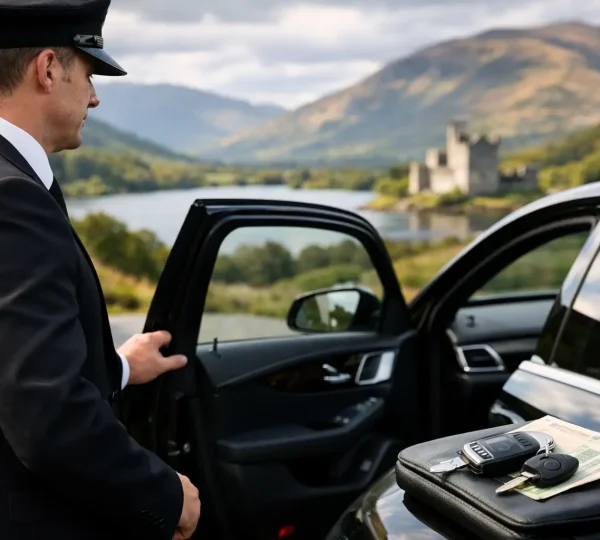
That is where private touring earns its keep. A chauffeur-led itinerary lets the travel days feel lighter because you are not driving narrow roads, watching signs, and figuring out parking after a long flight. You can look out the window, ask questions, stop for photos, or simply relax. It sounds simple, but it changes the whole tone of the trip.
For older travelers in particular, or for families and friend groups who want comfort without fuss, that ease is not a luxury in the abstract. It is what allows two weeks to stay enjoyable from beginning to end. A mass-market coach tour may cover similar ground, but usually at the cost of flexibility and personal rhythm. On the other hand, self-driving offers freedom, though it also asks someone in your party to become the designated navigator every day. It depends on your travel style, but many visitors find that Ireland is best enjoyed when someone else handles the mechanics.
A classic route that makes sense
One of the strongest versions of a two-week trip begins in Dublin and gradually opens outward. A few days in the east give you history, city energy, and a soft landing. Then the route might turn toward Kilkenny or Cork, where you begin to feel the pace ease. From there, the southwest often becomes the emotional center of the tour.
Killarney, the Ring of Kerry, and the Dingle Peninsula earn their reputation for good reason. The scenery is dramatic, but the appeal is broader than the views. This is where traditional music, local character, and small roadside moments tend to become part of the story. Travelers who thought they came for the landmarks often discover they came for the atmosphere.
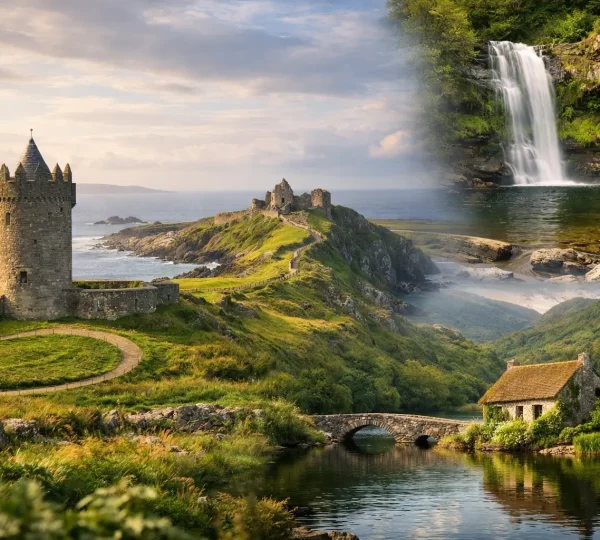
Moving north, County Clare and Galway bring a different texture. The Cliffs of Moher are iconic, yes, but the Burren, coastal villages, and the city life of Galway give the west more depth than a single postcard stop. Continue farther and you can include Connemara, where the landscape turns rugged and open, or cross into the north for Belfast and the Giant’s Causeway.
A complete island journey may also fold in Donegal. It is a longer stretch, so not every itinerary should force it in, but when it fits, Donegal adds something special – remote beauty, strong local identity, and a sense of stepping away from the usual circuit.
Why private touring feels different
Luxury in Ireland is not only about five-star hotels, though those have their place. Often, luxury means not having to think about the next move. Your route is organized. Your dining is considered. Your guide knows when to suggest a famous site and when to steer you toward a quieter one nearby that may suit you better.
That is especially valuable on a 14-day trip because so much can be shaped around your interests. Heritage travelers may want ancestral towns, parish records, or local history woven into the route. Golf travelers may build the trip around tee times and premium coastal courses. Couples may want castle hotels and slower afternoons, while groups of friends may want lively pubs, scenic drives, and plenty of room for spontaneous stops.
A private tour also leaves space for personality. The right guide does more than recite dates and names. They read the room. They know when to tell a story, when to let the silence of a landscape do the work, and when to make an unscheduled stop because the light on the hills is too good to pass by. That is often the difference between a trip that was efficient and a trip that was memorable.
What travelers often get wrong when planning two weeks in Ireland
The most common mistake is trying to do too much. Ireland is small on a map, but travel times can be deceptive. Rural roads are slower than expected, and the country rewards detours. If your schedule leaves no breathing room, you miss one of Ireland’s best qualities – its ability to surprise you between the headline attractions.
Another mistake is treating every overnight as equal. A smart itinerary uses stronger bases in places where there is a lot to see nearby. It also thinks carefully about arrival and departure days. After an overnight flight from the US, a gentle start is better than a long transfer and a packed sightseeing schedule.
Finally, many travelers underestimate how much local knowledge improves the journey. The famous sites are easy to list. The challenge is knowing when to visit, what to pair them with, and what to skip if your group would enjoy something else more. That judgment comes from experience, not from scrolling through a dozen travel articles.
Is a 14 day Ireland tour package enough?
Yes, for most visitors, it is. Fourteen days is enough to see a broad sweep of the country and still feel that you have actually been somewhere rather than merely passed through it. It is long enough for iconic landscapes, city time, heritage, food, and a few slower moments that make the trip feel personal.
Still, enough does not mean identical for everyone. If your goal is to cover every corner of the island, two weeks may feel ambitious. If your goal is a rich, comfortable introduction with room for special interests, it is an excellent length. The key is not trying to prove how much ground you can cover. The key is building a journey that feels generous, not rushed.
That is the thinking behind how Creagh Travel approaches Ireland. Not as a checklist, and not as a one-size-fits-all circuit, but as a country best experienced with the right pace, the right local insight, and the freedom to let the best moments happen naturally.
If you are giving Ireland two full weeks, give those weeks the structure they deserve. The country will do the rest.