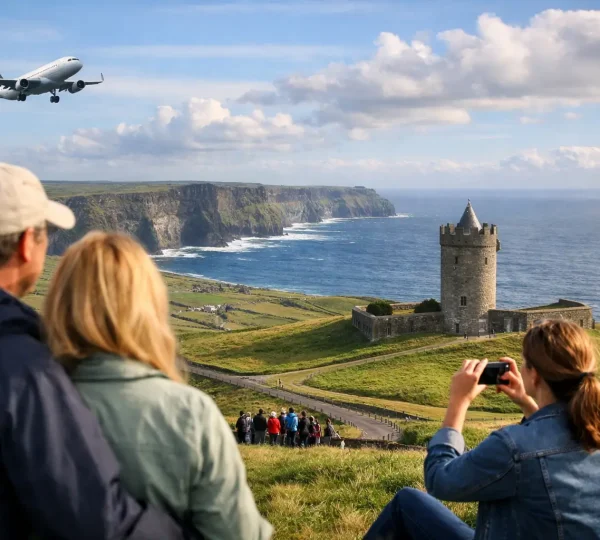

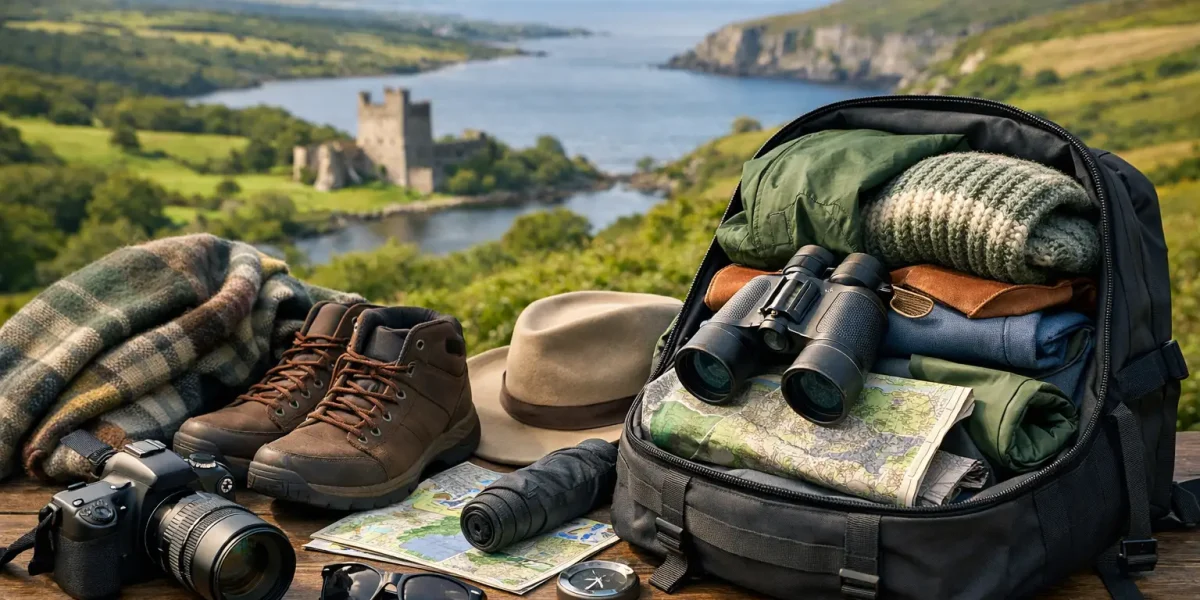
You can spot the first-time Ireland visitors straight away – they’re either carrying far too much or standing in a sudden shower wearing a sweater that looked sensible back at the hotel. If you’re wondering what to pack for Ireland touring, the answer is not more luggage. It’s better choices. Ireland rewards travelers who pack for changeable weather, comfortable days out, and evenings that still feel a bit polished.
For most touring trips, whether you’re following the coast, heading north, mixing castles with golf, or fitting in villages, gardens, and grand scenery, the key is layering. A single day in Ireland can bring sunshine, wind, drizzle, and a beautiful clear evening, sometimes in that order. The good news is that you do not need specialist gear for every possibility. You just need clothes that work well together and don’t mind a weather surprise.
What to pack for Ireland touring without overpacking
The biggest mistake travelers make is packing for every imagined occasion instead of the trip they are actually taking. Touring days in Ireland are active, but they are rarely formal. You may spend the morning at a historic site, stop for lunch in a small town, walk a coastal path in the afternoon, and finish with a very good dinner. That calls for versatile clothing, not separate outfits for every stop.
Start with pieces you can repeat comfortably. A few tops or shirts, a couple pairs of pants, one or two sweaters or light layers, and a proper waterproof jacket will take you much further than a suitcase full of one-purpose items. If your tour includes upscale hotels or evening dining, bring one smarter outfit, but keep it easy to wear. Ireland is stylish in a relaxed way. You’ll feel more at home in neat, comfortable clothes than in anything overly dressy.
Shoes matter more than almost anything else. Streets in older towns can be uneven, countryside stops can be muddy, and even short walks often involve gravel, grass, or stone paths. Bring one pair of well-broken-in walking shoes or waterproof sneakers, and if you like, one second pair for evenings or drier days. Brand-new shoes are a gamble not worth taking.
Dress for the weather, not the forecast
People often ask what season needs the most preparation, but the honest answer is all of them. Summer in Ireland is lovely, but it is not reliably hot. Spring and fall can be beautiful and crisp, though they lean cool. Winter touring has its own charm, especially for quieter roads and cozy evenings, but you’ll want warmer layers and a more weather-ready coat.
A lightweight waterproof jacket is one of the smartest things you can pack. Not a heavy ski coat, and not a tiny emergency poncho that tears in the wind. A proper rain layer with a hood is far more useful. Underneath that, think in layers you can add or remove easily. A T-shirt or long-sleeve base, a sweater or fleece, then the waterproof outer layer gives you options without making you bulky.
Jeans are fine for evenings and some city days, but they are not always ideal for touring. If they get wet, they stay wet. Travel pants, chinos, or other quick-drying options tend to perform better. That said, it depends on your style and itinerary. If you mostly prefer shorter walks and more scenic driving, one pair of jeans can still earn its place.
Scarves, hats, and light gloves can be surprisingly useful outside peak summer. They take up little space and make a breezy cliffside stop much more comfortable. Even in warmer months, a light scarf can be handy on the coast or in older stone buildings that hold the chill.
The essentials that make daily touring easier
When deciding what to pack for Ireland touring, think beyond clothing. Day-to-day comfort often comes down to a few practical items that keep moving parts simple.
A small day bag is worth bringing, especially one that sits comfortably on your shoulder or back and leaves your hands free. You’ll use it for your waterproof layer, phone, sunglasses, medications, a water bottle, and anything you pick up along the way. It should be light, secure, and easy to manage getting in and out of a vehicle.
A compact umbrella can help in towns, though along the coast it may be more trouble than it’s worth when the wind gets going. A reusable water bottle is useful, and a portable phone charger is even better. Touring days can be full, and your phone quickly becomes your camera, contact point, and entertainment between stops.
If you’re traveling from the US, don’t forget the correct power adapter for Ireland. This is one of those obvious items that still gets left behind. If you wear prescription glasses, bring a backup pair if you have one. The same goes for medications. Pack enough for the full trip in your carry-on, not your checked luggage.
A small crossbody bag or secure purse is a good choice for cities and busy attractions. Ireland is generally an easy and welcoming destination, but travel is always smoother when valuables are close and organized.
Packing for golf, heritage trips, and longer private tours
Not every Ireland trip looks the same, and your packing should reflect that. Golf travelers need to think a bit differently from couples focused on gardens and manor houses, or families balancing sightseeing with easier walking days.
If golf is part of your itinerary, check whether your clubs are being brought or arranged separately before you load your suitcase with extra gear. You’ll want proper golf shoes, gloves, weather-ready layers, and clothing that works in cool wind as well as light rain. A cap and light quarter-zip are often more useful than people expect. The weather can shift quickly on the course, even on a good-looking morning.
For heritage touring, church visits, and longer days at historic properties, comfort is still the priority, but a slightly polished look works well. Collared shirts, knitwear, comfortable dresses with layers, and smart casual pants fit in nicely. If your trip includes a special dinner, one dressier option is enough.
On longer private tours, you can usually afford to pack a bit more thoughtfully because the travel experience itself is easier. You’re not dragging luggage through train stations or repacking at speed each morning. Even so, lighter is still better. A well-packed medium suitcase is much easier to live with than a large one filled “just in case.”
What you can leave at home
You do not need half your closet. You probably do not need formalwear unless your itinerary specifically calls for it. Heavy winter coats are often too much outside the coldest months, and high heels rarely make sense on a touring holiday.
Skip anything that wrinkles badly, anything uncomfortable after two hours, and anything that only works with one other item. Leave room in your suitcase for flexibility. Many visitors buy knitwear, local crafts, or a few special finds as they travel, and it’s far nicer to have the space than to wrestle your bag shut on the final night.
Too many toiletries are another common packing trap. Bring what you need, of course, but remember that Ireland is not remote wilderness. If you forget something basic, it can usually be replaced easily.
A simple packing mindset for Ireland
The best packing list is less about quantity and more about rhythm. Your days will likely move between scenic drives, short walks, relaxed lunches, cultural stops, and evenings where you still want to feel put together. Clothes that layer well, shoes that can handle real ground, and a bag that keeps essentials close will carry most of the load.
There is also something to be said for packing in a way that leaves room to enjoy the trip. When you’re not fussing with too much luggage or regretting impractical choices, you notice more. The view gets your attention instead of the weather. The stop at the ruined abbey feels charming rather than cold. The last-minute recommendation for a seaside walk sounds inviting instead of inconvenient.
That’s usually the sweet spot for Ireland touring – comfortable, prepared, and ready for whatever the day decides to bring. If you pack for that, you’ll be in very good shape.