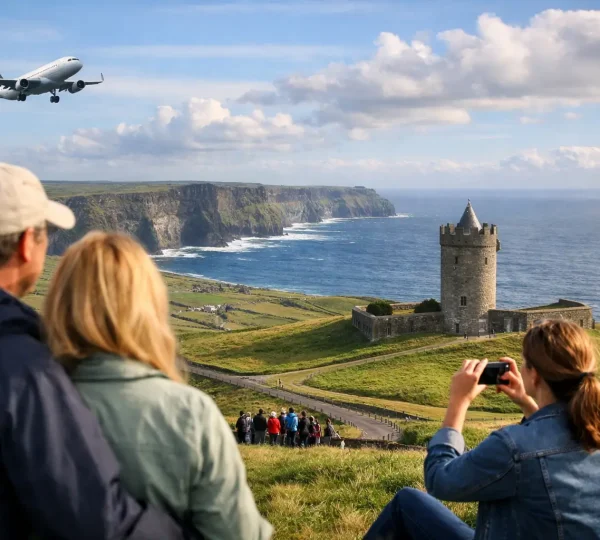
Some trips are about seeing Ireland. Others are about finding your place in it.
That is the real appeal of an Ireland heritage tour private experience. You are not just checking off castles, cliffs, and cathedrals. You are following family names through market towns, walking churchyards that may hold your story, and spending time in places that would barely register on a standard bus itinerary but mean everything once you know why they matter.
For many American visitors, heritage travel in Ireland starts with a few clues – a surname, a county, maybe a ship record or an old family letter. What turns those fragments into a memorable journey is not speed. It is context, pacing, and having the right local guide to connect the dots.
What makes an Ireland heritage tour private different
A private heritage tour is built around your story, not a fixed route. That sounds simple, but it changes the entire experience.
On a group tour, the schedule has to work for everyone. If one guest wants more time in a famine-era village or a parish archive, the coach cannot wait. On a private tour, it can. If your family came from West Cork, County Clare, Donegal, or a small border parish in the north, your itinerary can bend in that direction and stay there long enough to make it meaningful.
That flexibility matters because heritage travel is rarely neat. Some travelers arrive with detailed genealogy research. Others know only that a grandparent said, “Our people came from Kerry.” Both can lead to excellent trips, but the planning approach is different. A strong private operator helps shape the route around what is known, what is possible, and where local insight can add something valuable.
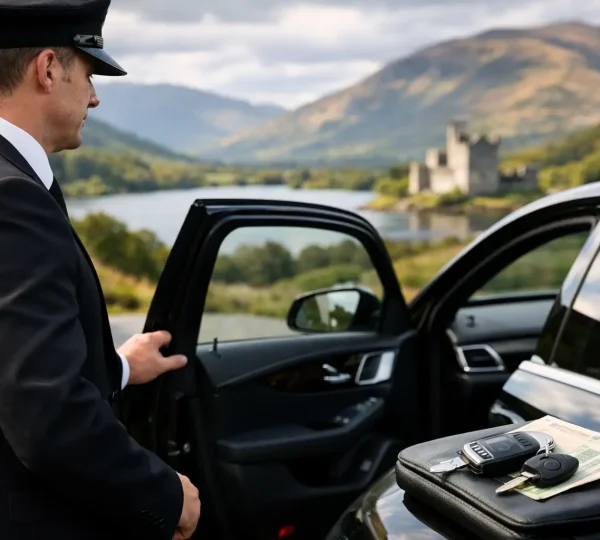
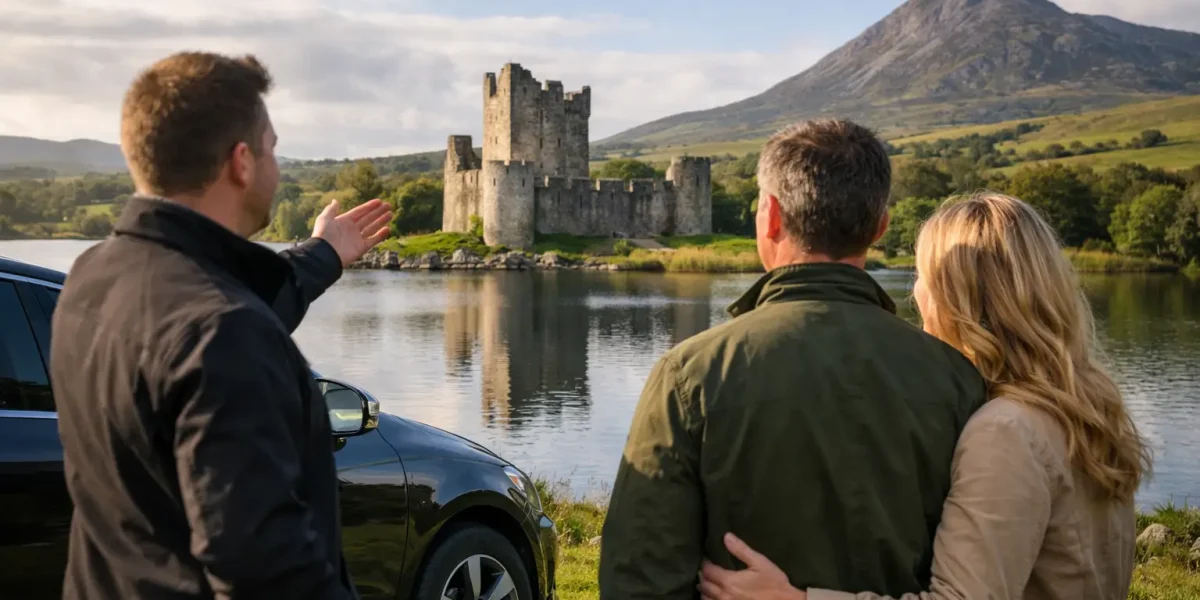
There is also a comfort factor that should not be underestimated. Multi-day heritage travel often means moving through rural areas, smaller towns, and sites where signage can be limited and parking awkward. A chauffeur-led private tour removes that friction. Instead of watching the road, you can watch the landscape change from city streets to stone walls, bogland, beaches, and green fields that feel strangely familiar.
Heritage travel is better when it is personal
Irish history is not one single story. It is migration, loss, resilience, religion, land ownership, music, language, rebellion, and community, often layered on top of one another in the same parish. That is why a private guide makes such a difference.
The best heritage touring is not a history lecture delivered through a microphone. It is conversational. It connects the wider story of Ireland to your own family background and to the places you are actually standing in. One church ruin may explain a surname shift. One workhouse site may give context to why a family left. One pub conversation in a village can offer a kind of local memory no archive ever could.
That does not mean every question gets a tidy answer. Sometimes records are incomplete. Sometimes the family trail stops earlier than hoped. But even then, a good private heritage trip still gives shape to the story. You leave with a better understanding of the world your ancestors knew, not just a list of scenic stops.
How a private heritage itinerary usually comes together
An Ireland heritage tour private itinerary works best when it balances research goals with the pleasure of travel. If it becomes too narrow, the trip can feel like a series of appointments. If it becomes too broad, the heritage side gets watered down.
The sweet spot is usually a journey that combines ancestral counties with a handful of Ireland’s essential experiences. That might mean starting in Dublin for arrival ease and some historical context, then heading west or south toward the counties that matter to your family. Along the way, you can include manor houses, monastic sites, local museums, coastal drives, and excellent dining without losing sight of the personal reason for the trip.
For one family, that could mean tracing roots in Mayo and Galway while also taking time for Connemara, Kylemore Abbey, and a relaxed evening in a music-filled town. For another, it might mean focusing on Cork and Kerry, with heritage stops folded naturally into days that also include Kinsale, Muckross House, and the Ring of Kerry. Travelers with Ulster connections may find that the north adds a different texture altogether, where industrial history, political history, and family history often intersect.
This is where a custom operator earns its keep. The route needs to make sense geographically, but it also needs emotional rhythm. Some days should be rich with discovery. Others should be lighter, with scenic drives, a long lunch, or time to simply look around and let the place sink in.
What to expect from records and research on the ground
Many travelers assume heritage touring means turning up in Ireland and instantly finding a family home. Occasionally that happens. More often, it is a bit more complicated.
Irish genealogy can be rewarding, but records vary by county, era, and denomination. Civil records, parish registers, graveyards, estate papers, and local history sources all play a role, but access and usefulness depend on what survives. A private heritage tour works best when expectations are realistic and the travel planning is done with care.
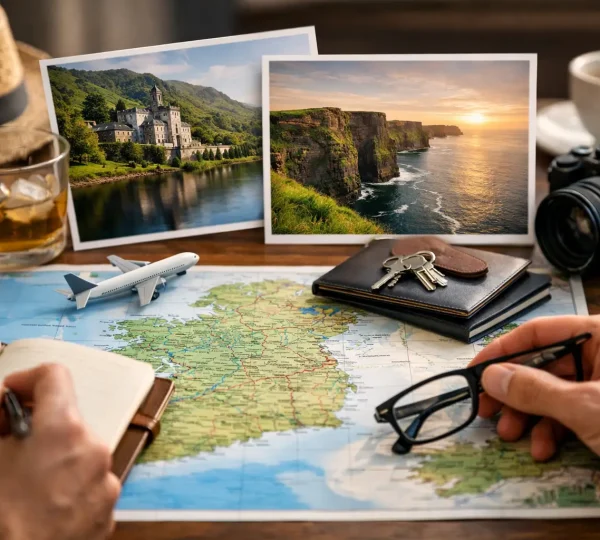
That is why pre-trip preparation matters. If you have names, dates, emigration records, townlands, or counties, those details can help shape where to go and what to prioritize. Even partial information is useful. It may point toward a parish, a local heritage center, or a district where the family name still carries weight.
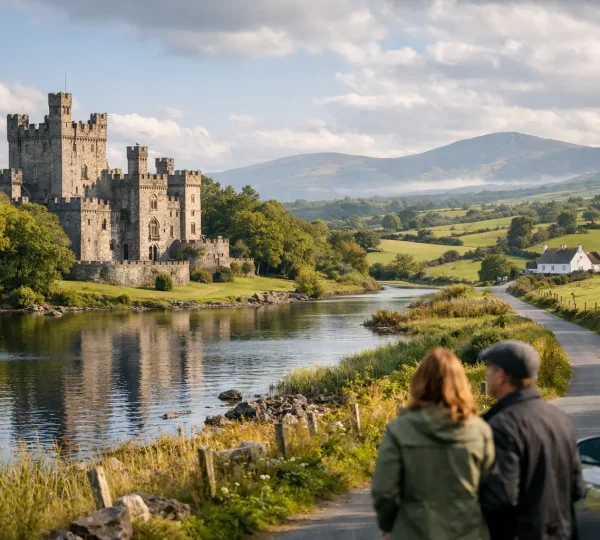
At the same time, not every meaningful moment comes from a document. Sometimes the strongest connection is geographical. Standing on a narrow lane lined with stone hedges, seeing the church your people likely knew, or hearing local pronunciation of a family place-name can be more moving than any certificate.
Comfort and pace matter more than people think
Heritage travel tends to be emotional. It also tends to involve more driving than visitors first expect.
Ireland is wonderfully compact by American standards, but country roads still take time, and the most meaningful heritage stops are not always close to the major cities. A private tour allows for proper pacing. You can stop when something catches your eye, adjust the day if weather changes, and avoid the fatigue that comes from overpacked schedules.
That matters especially for couples, families, or multigenerational groups. Not everyone wants the same thing from the day. One person may care deeply about genealogy. Another may simply want a beautiful, comfortable Irish vacation with a stronger sense of family connection. A good private itinerary can hold both. While one traveler is thrilled by a parish visit, everyone can still enjoy excellent hotels, memorable meals, and some of the country’s great landscapes.
That is often the hidden strength of private touring. It lets the trip be meaningful without becoming heavy. There is room for laughter, storytelling, and the unexpected detour to a village bakery or coastal viewpoint. Those moments tend to be remembered just as clearly as the heritage highlights.
Who an Ireland heritage tour private trip suits best
This style of travel is ideal for visitors who want Ireland handled well and handled personally. It suits first-time travelers who do not want the stress of self-driving, and it suits repeat visitors who have already seen the main sights and now want a deeper connection.
It is especially valuable for travelers marking a milestone birthday, anniversary, retirement, or family reunion. Heritage gives the trip a purpose, while the private format keeps it comfortable and enjoyable. If your group values flexibility, local knowledge, and not having to manage day-to-day logistics, private touring is usually the better fit.
It may be less suitable for travelers who want the absolute lowest-cost option or who prefer highly independent, spontaneous travel with no structure at all. Private travel is a premium service. The trade-off is clear: you pay more, but you gain time, comfort, and a level of personalization that group touring simply cannot match.
Choosing the right private operator
Not every private tour company is equally strong at heritage travel. You want someone who understands Ireland beyond the headline attractions and knows how to blend ancestry, history, and hospitality into one coherent trip.
Look for a company that listens first. Your family story should shape the tour, not be squeezed into a prewritten package. You also want guides who can do more than drive. The right guide brings humor, local knowledge, practical adjustments, and a real feel for the country. That human side matters. Heritage travel can be moving, and the experience is better when you feel looked after rather than processed.
That is where a specialist such as Creagh Travel stands apart. A well-run private tour should feel polished, yes, but never stiff. It should feel like Ireland is being opened up for you by someone who knows it intimately and is glad to share it.
If you are thinking about tracing family roots in Ireland, start with what you know, stay open to what you may find, and leave room for the country itself to surprise you. The names and records matter, of course. So does the simple pleasure of arriving somewhere that feels, for reasons you cannot quite explain, like home.