
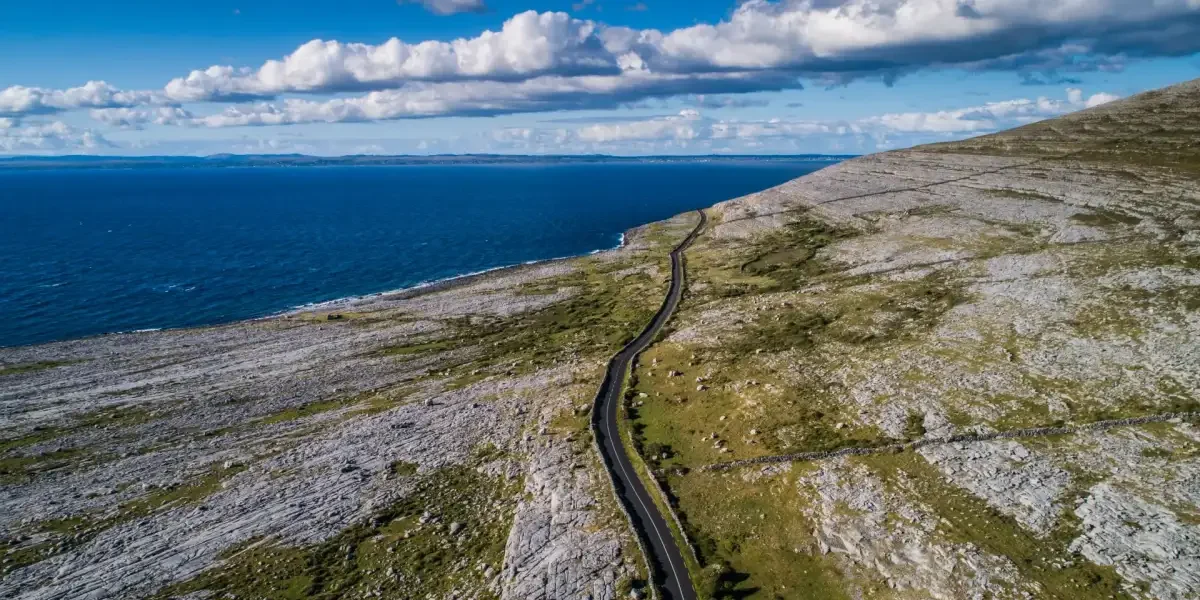
Most first Ireland itineraries try to see the whole island in a week, and spend half of it in the car. The better trip usually covers less ground and gives each place a second night, and the length of your stay decides which part of the island that should be.
How should you plan an Ireland trip itinerary?
Start with nights, not sights. A good Ireland trip itinerary gives each base at least two nights, so you wake up somewhere without packing a bag every morning. Then match the region to your time. One week suits one region done properly: the south-west, or the north. Ten days lets you join the south to the west coast. Two weeks is enough to go all the way round. Leave room for the unplanned stop, because Irish roads are slow and the best hour of the day is often the one you did not schedule. We call it “come as you go”: the day runs at your pace, not the clock’s. Finally, decide early whether you want to drive yourself. It changes how far you can comfortably go in a day, and how much of the road you actually see.
One week in Ireland: choose a region and do it well
With seven days, pick a side of the island.
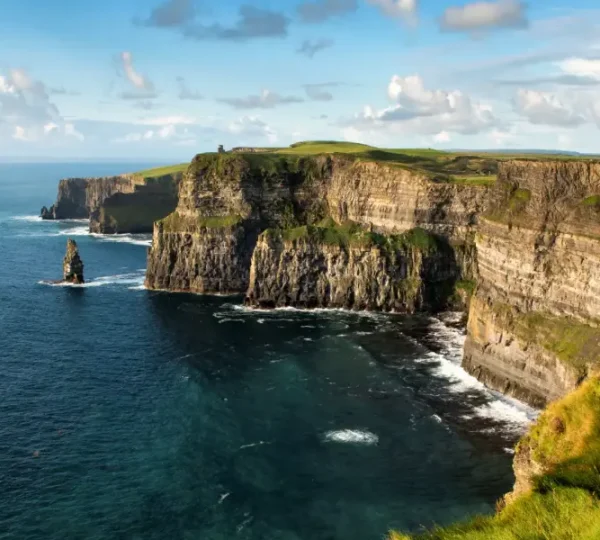
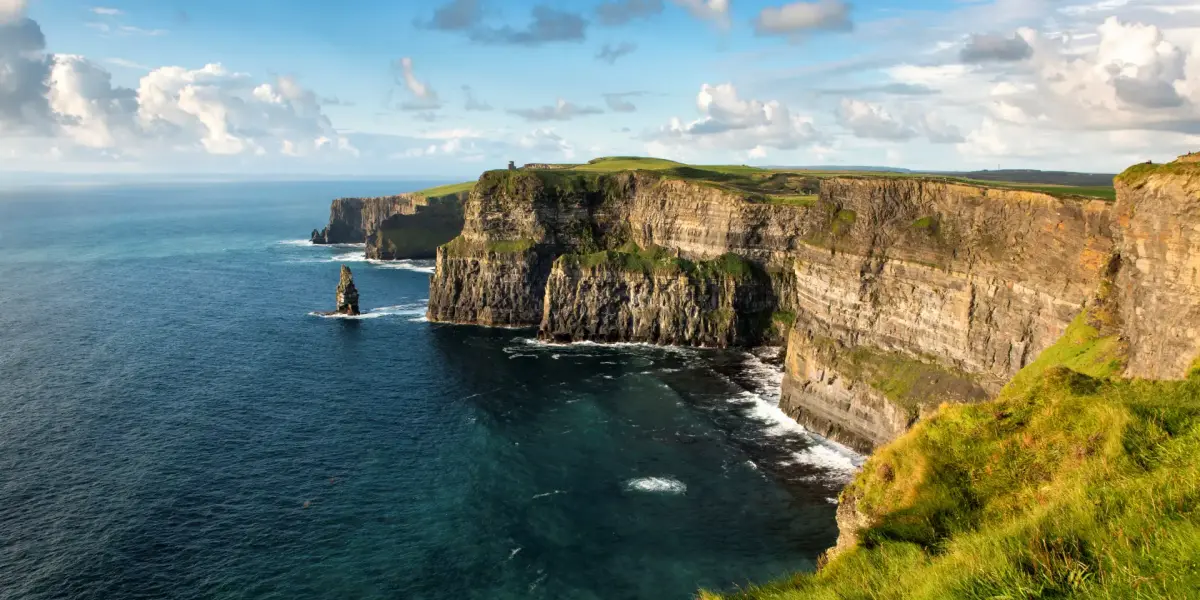
For the south and west, our Rose of the South West tour shows the shape: Killarney and the Ring of Kerry first, then north through Clare to Galway and Connemara. On the Ring, the Red Fox Inn pours an Irish coffee that earns its stop. In Clare, the Cliffs of Moher come before a visit to McGanns of Doolin, and heading back towards Dublin the route can take in Sean’s Bar in Athlone, which lays claim to being the oldest pub in Ireland.
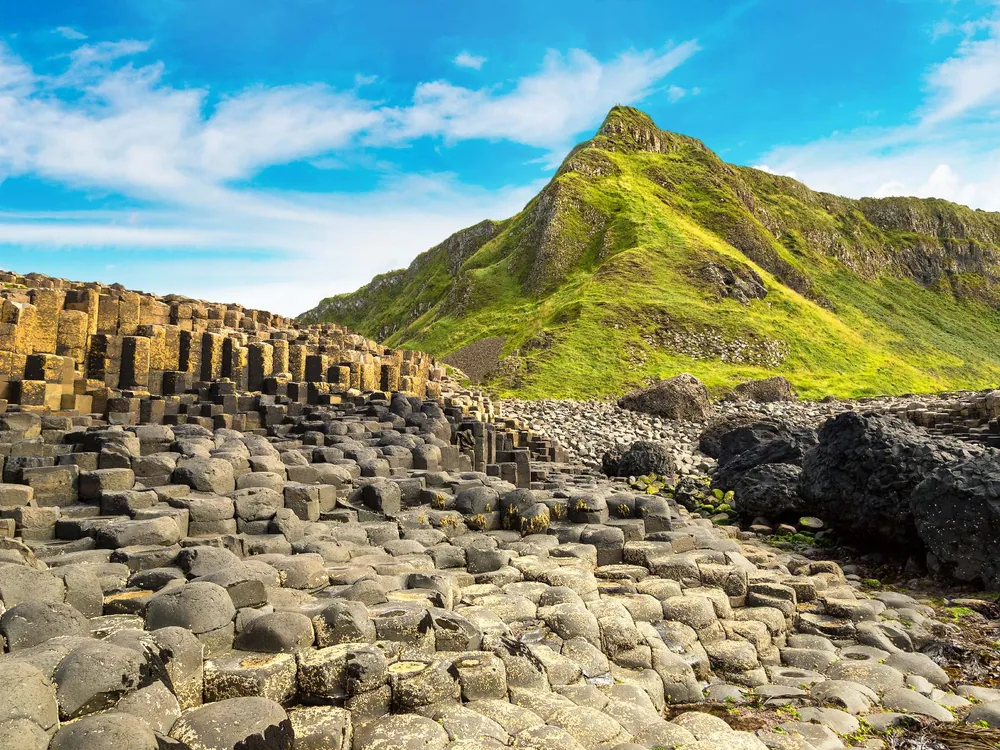
For the north, the Tour of the North covers the part of Ireland many visitors skip. Belfast is where the Titanic was built, and Titanic Belfast tells that story beside the slipways where it happened. The Giant’s Causeway is a coastline of basalt columns that look laid by hand. Derry still has its full ring of city walls to walk, and Donegal beyond it is wild, quiet country.
10 days in Ireland: the south, the west and room to breathe
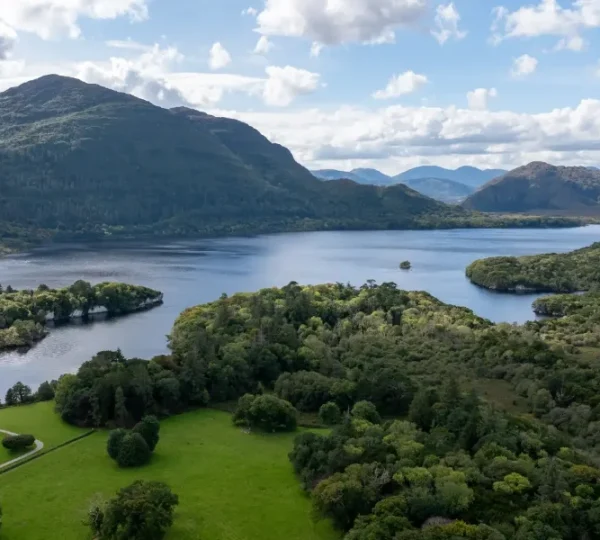
Ten days lets you connect the south to the Atlantic coast without rushing it. Our Five Star Supreme route is a good model: Dublin first, then Wicklow and the historic south, Cork and the harbour town of Kinsale, Kerry and the Dingle Peninsula, and on through Clare to Connemara. Kinsale is a small harbour town built around good food. Dingle is the far western edge of Kerry, a peninsula of beaches and old stone. Connemara is open bog and mountain where the road empties out.
This length also suits a slower version of a shorter route. Take the one-week south-west loop and add a third night in Kerry, or a day in West Cork, and the whole trip changes pace.
Two weeks in Ireland: the whole island
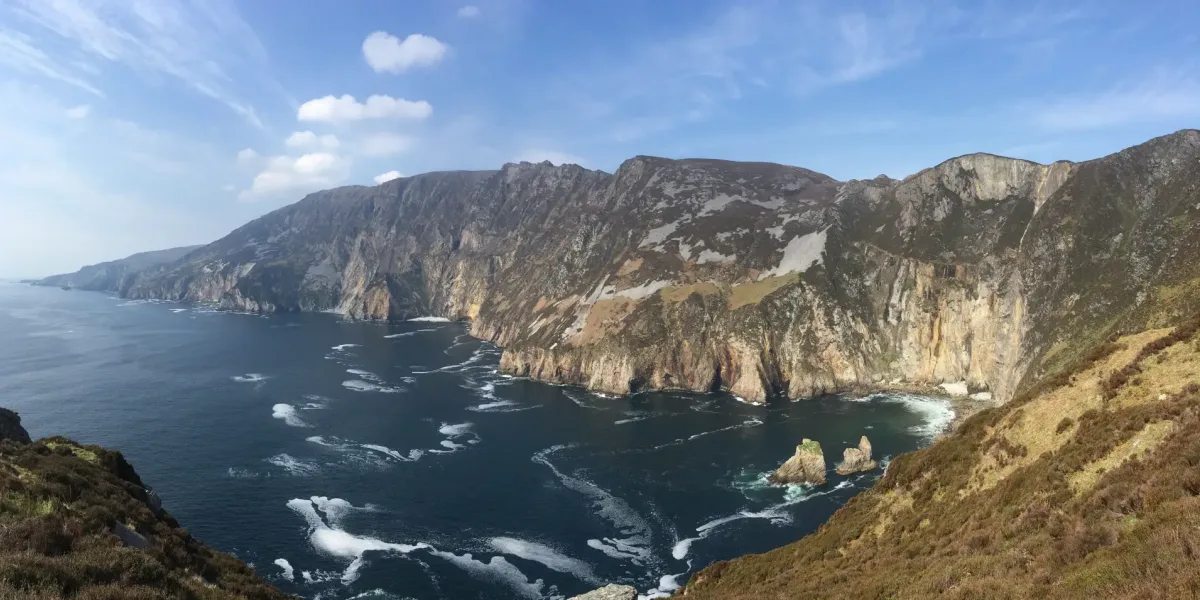
Fourteen days is the trip for travellers who want to see Ireland top to bottom. The Full Irish goes from Dublin through the historic south to Cork and Kerry, up the Wild Atlantic Way, across Donegal to the Giant’s Causeway, and back to Dublin. Along the way it finds room for small stops with real character: Molly Gallivan’s Cottage near Kenmare, where you hear the story of poitín, the old country spirit, and a Black Cab tour in Belfast that puts the city’s recent history in plain view. Two weeks still needs discipline: the same rule of two nights per base applies, and the west coast rewards slow days more than full ones.
If fourteen days is more than you can take, The Emerald Isle covers much of the same ground in twelve.

What a private driver-guide changes about your itinerary
The route on paper is only half the plan. The other half is who is driving, and what they know. With a private driver-guide, the same person is with you from the first morning to the last, so the trip builds on itself: your guide learns what you enjoy and shapes each day around it. A detour to a castle you spotted from the road, a longer lunch, a pub where someone has just started singing: on our tours, “we never say no on tour” is how we work.
That knowledge is earned. Lloyd Creagh has guided Irish tours since 2006 and is a certified, badged tour guide, and his father Greg has been driving and guiding visitors for more than 40 years. Because we arrange the whole trip, including hand-picked four and five star hotels, manor houses and castles, the itinerary you agree is the itinerary you get, with every booking taken care of.
Frequently asked questions
Is it better to stay in one place or move around Ireland?
Both work, and the best trips mix them. A single base suits a short trip focused on one region: you unpack once and explore on day trips, which is easy on travellers who dislike moving. On a longer trip, staying in one place means long drives back each evening, so moving between two or three bases makes more sense. A good rule is two nights minimum in each, and three where there is plenty to see nearby, such as Kerry or the north coast. Moving day itself does not have to be lost time. With a private driver-guide, the drive between bases becomes part of the day’s touring, with stops along the way rather than a straight run. Your luggage travels in the vehicle with you, so you never carry bags between towns, and your hotel is booked and waiting at the other end.
Can you change your itinerary once you are in Ireland?
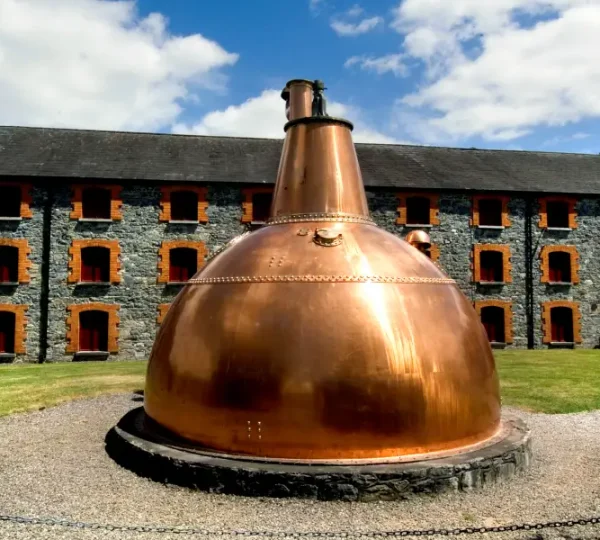
Yes, and on a private tour this is one of the main reasons to book one. Your route is planned before you arrive, with hotels confirmed, so the overall shape stays fixed. Within each day, though, the plan can bend. If the weather turns on the coast, your guide can swap the order of two days or head inland to a castle or distillery instead. If you fall for a town, you can linger there and skip a stop that matters less to you. Bigger changes, such as adding a night somewhere, depend on hotel availability, but they are often possible with a little notice. Because the same guide is with you all the way, he knows what you have already seen and what you most want from the days left. If a change can be done, the answer is yes.
Ready to plan your route?
Tell us your dates, how many are travelling and what you would love to see, and we will shape an itinerary around you.
Plan my Ireland trip